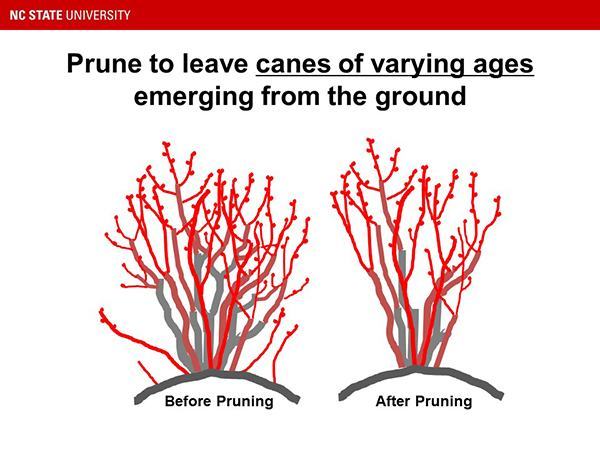
Blueberries are a delicious and nutritious addition to any garden or farm, but to keep your bushes productive and healthy, proper pruning is essential. Many growers overlook this crucial task, leading to reduced fruit production and unhealthy plants. If you want to ensure a successful harvest year after year, attending a hands-on pruning workshop is the best way to learn the right techniques.
Why is Pruning Important? Pruning blueberry bushes serves several key purposes:
- Increases Fruit Production – Regular pruning encourages new growth and prevents the plant from becoming overgrown and unproductive. Removing old, weak, or dead wood allows energy to be directed toward producing more berries.
- Improves Plant Health – Thinning out dense growth improves air circulation, reducing the risk of fungal diseases like powdery mildew. Proper pruning also makes it easier for sunlight to reach all parts of the plant, promoting even ripening.
- Enhances Berry Quality – When bushes are properly pruned, the berries that grow are larger, sweeter, and more uniform in size. Overcrowded branches result in small, less flavorful fruit.
- Extends the Lifespan of the Bush – Regular maintenance prevents plants from aging too quickly. A well-maintained blueberry bush can thrive and produce for decades.
Whether you’re a backyard gardener or a commercial farmer, these steps will equip you with the skills needed to maintain healthy, productive blueberry plants. Don’t miss this opportunity to learn from the experts and set your bushes up for success this growing season!